What about children?
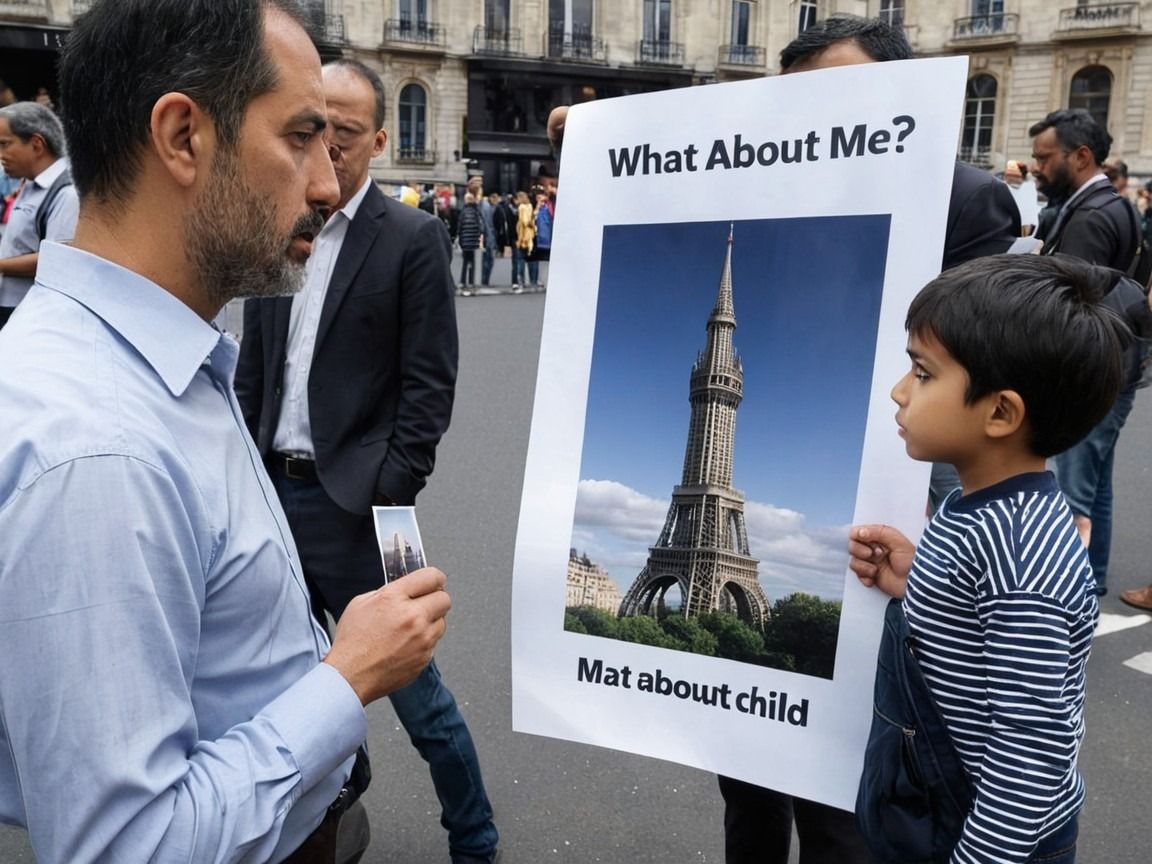
From the very beginning of civilization, urban culture has been shaped by adults for adults. The imagination behind city architecture has always been an adult imagination, driven by adult priorities, desires, and ambitions. This remains true today.
Adults, as the dominant population, define what cities should be: what they look like, how they function, and what they value. The state, society, and architects respond to these demands, not only fulfilling practical needs, but also pursuing scale, visibility, and prestige: bigger, taller, denser, more attractive. Every design principle is mobilized to serve these ambitions.
But within this system, there is a silent population: children.
Children have no economic power, no political voice, no formal role in decision-making, and limited means to articulate their spatial needs. Yet they are constant users of the city.
If we consider children as clients of the state, developers, and architects, a critical contradiction appears: What children receive is not what they need, but what others decide to give them.
Their environments are designed indirectly, filtered through adult assumptions, often reduced to controlled playgrounds, residual spaces, or standardized solutions. Meanwhile, their deeper needs for freedom of movement, sensory diversity, safety with independence, opportunities for exploration, and social interaction remain largely overlooked.
This raises a fundamental question for contemporary urbanism: Can a city claim to serve all its users if one of its most vulnerable and dependent groups is systematically excluded from shaping it?