Think Children of the City
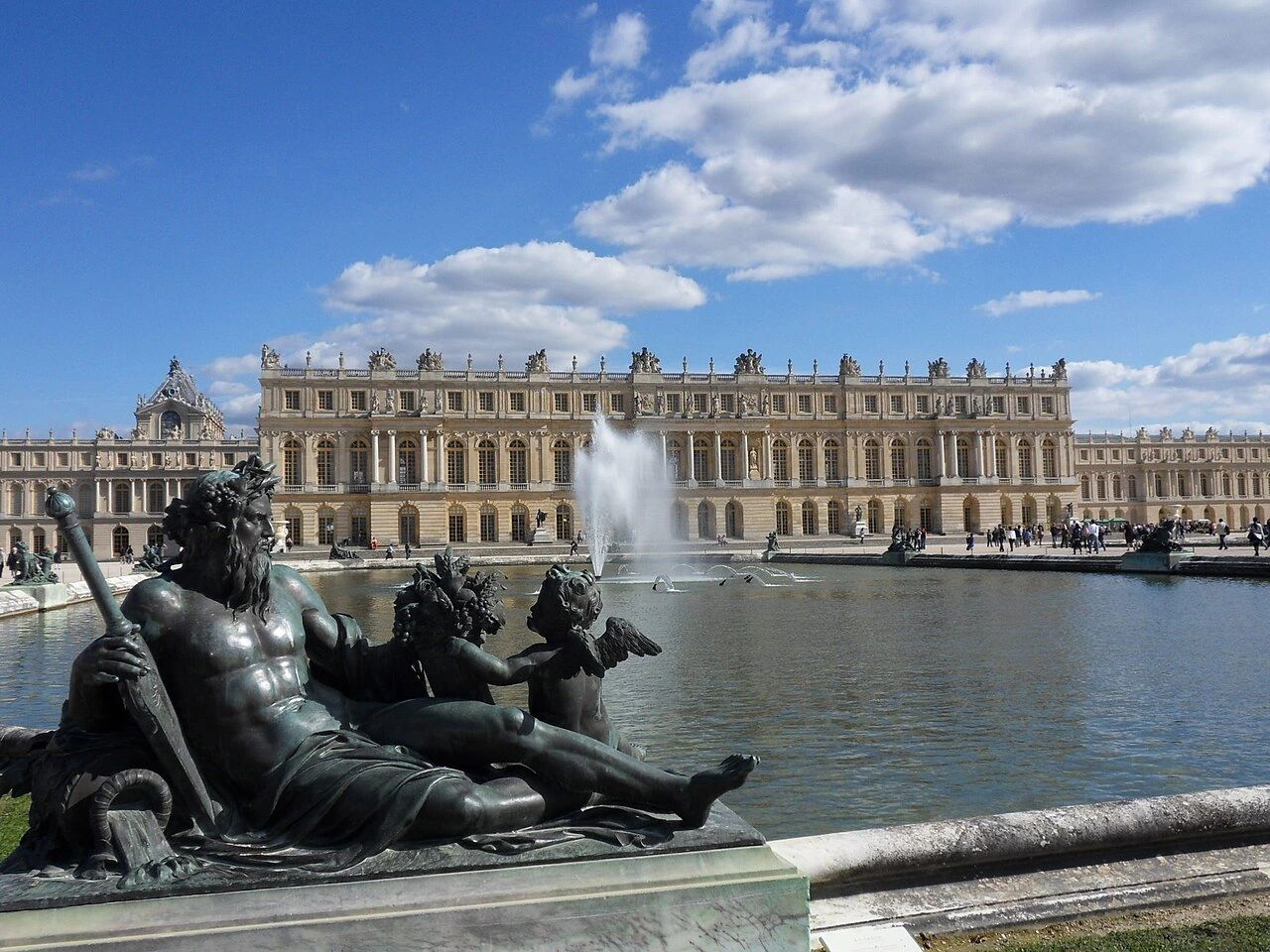
For thousands of years, kings and rulers shaped cities according to their own visions. Architects and planners used their creativity to satisfy those in power, producing grand streets, palaces, monuments, churches, mosques, and public spaces that symbolized authority. Ordinary citizens simply lived within these environments.
Even after the French Revolution opened a new path, architecture needed decades to redefine itself. New architectural movements eventually emerged, each proposing new ideas and styles.
But there is one question that history has rarely asked:Where are the children?Throughout the long history of urban planning and architecture, children have remained largely invisible. Rulers did not plan for them. Most architectural movements did not center them. Even contemporary design often treats children as secondary users by adding playgrounds or special facilities to cities that were fundamentally designed for adults.
Yet children are not a marginal group. They are a dynamic part of society with changing physical, cognitive, social, and emotional needs. They share cities with adults, but their needs require different design principles.
Can architecture truly claim to represent humanity while overlooking nearly one quarter of its population?Perhaps the next great architectural movement should not be defined by a style or a form, but by a principle: recognizing children as equal city users and designing cities with them in mind from the very beginning.
Think children. Think entire city.