The city is not an adult space that children temporarily borrow.
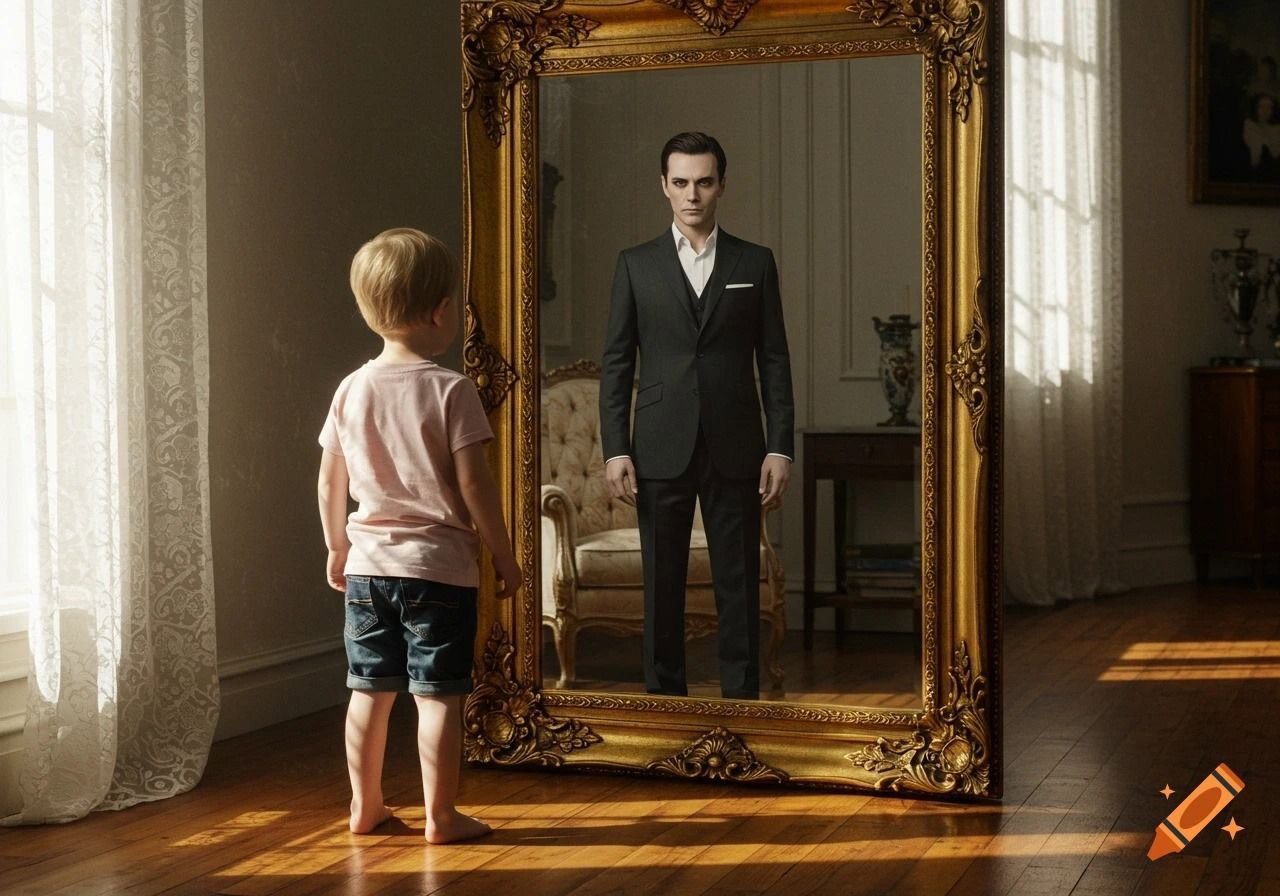
Contemporary urban environments are largely shaped through adult-centric planning, governance, and design practices, often positioning children as temporary or marginal users of public space rather than as legitimate urban subjects.
Yet children inhabit the city daily and experience its spatial, social, and institutional structures in distinct ways.
Childhood is not merely a transitional phase but a fully lived stage of life, equal in significance to adulthood.
Both stages share the same inherent value as periods of human experience and development.
Moreover, the quality of the childhood environment and experiences profoundly shapes the trajectory and well-being of adulthood.
The concept of children’s right to the city reframes children as active urban citizens with claims to access, participation, safety, play, and spatial justice. It calls for architecture, urban design, town planning, and policy frameworks that recognize children’s everyday practices as integral to the production of city architecture.
Re-centering children within urban theory and design challenges dominant development logics and raises critical questions about whose needs, bodies, and experiences are prioritized in the making of cities. Building cities with children in mind is not only a matter of inclusion, but of democratic urbanism.