The child city is a comprehensive framework for childhood.
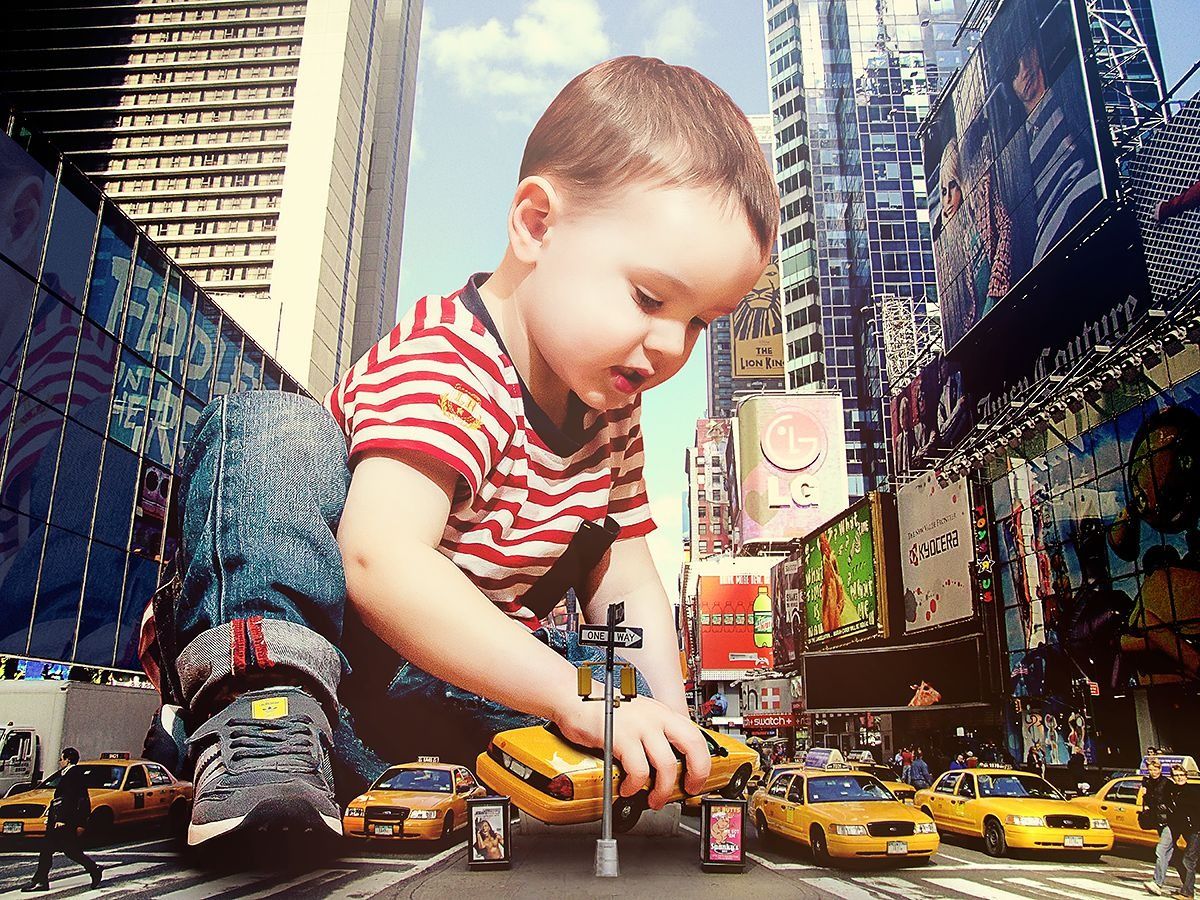
Children’s architecture shapes the conditions of childhood in the city. It is therefore not limited to the design of buildings, places, spaces, or playgrounds, but extends to the broader concept of childhood in the total urban environment, how the city creates the world that children grow up in.
This perspective shifts the focus from adult-centered design principles and isolated interventions toward the continuous relationship between children and the urban fabric. When this relationship is meaningfully established, children gain access to a built environment that supports their everyday lives, enabling them to live, grow, explore, learn, and have fun.
However, such conditions can only be achieved through an integrated approach in which children are not treated as users of adults' dominated city, but are considered alongside adults in all aspects of urban planning and design.