Playgrounds are not Enough to Achieve a Child City
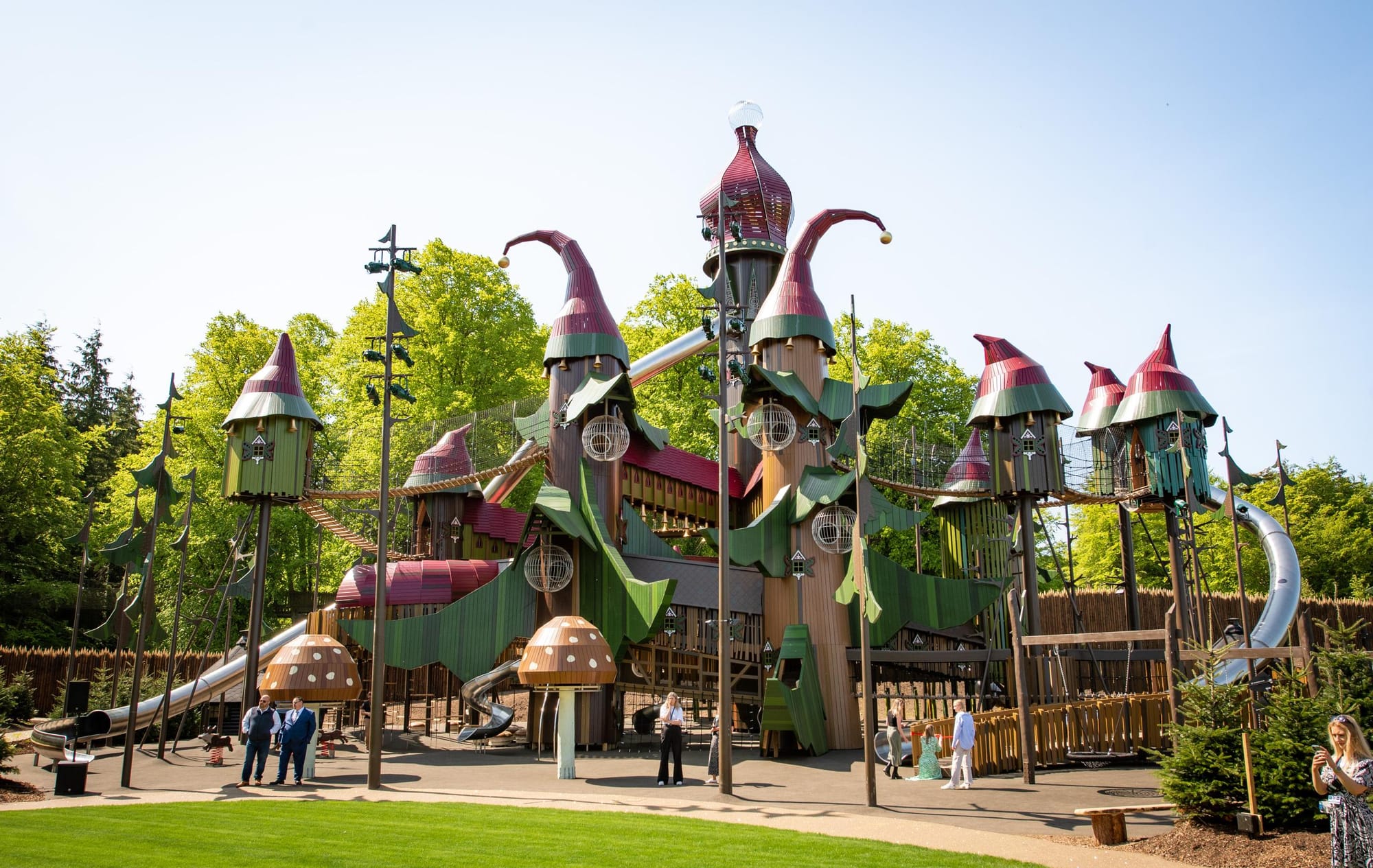
Playgrounds are often seen as the primary indicator of a child city. Across cultures, ages, and social backgrounds, children are naturally drawn to them. They gather, interact, and play together, making these spaces appear as successful responses to children’s needs.
But are playgrounds enough? The answer is no.
The popularity of playgrounds does not necessarily mean that children’s needs are fully met. On the contrary, it may reveal a lack of alternatives. When children consistently rush to the same designated spaces, it can indicate that the rest of the city does not offer them meaningful opportunities for exploration, participation, or everyday presence.
Adult users engage with the city in a fundamentally different way. They have access to a wide range of spaces, streets, cafés, workplaces, cultural venues, and public institutions. They move freely between indoor and outdoor environments, choosing where and how to spend their time. Children, however, are often confined to a limited set of designated areas, with playgrounds being the most prominent.
This creates a structural imbalance.
Children’s happiness and well-being in the city should not be measured solely by the number or quality of playgrounds. Instead, it should be evaluated by how well the entire urban environment supports their diverse needs, movement, social interaction, learning, independence, safety, and participation.
A truly child city is not one with better playgrounds only, but one where the whole city functions as a place for children.