If Children Architecture Achieves, Future of Architecture Changes.
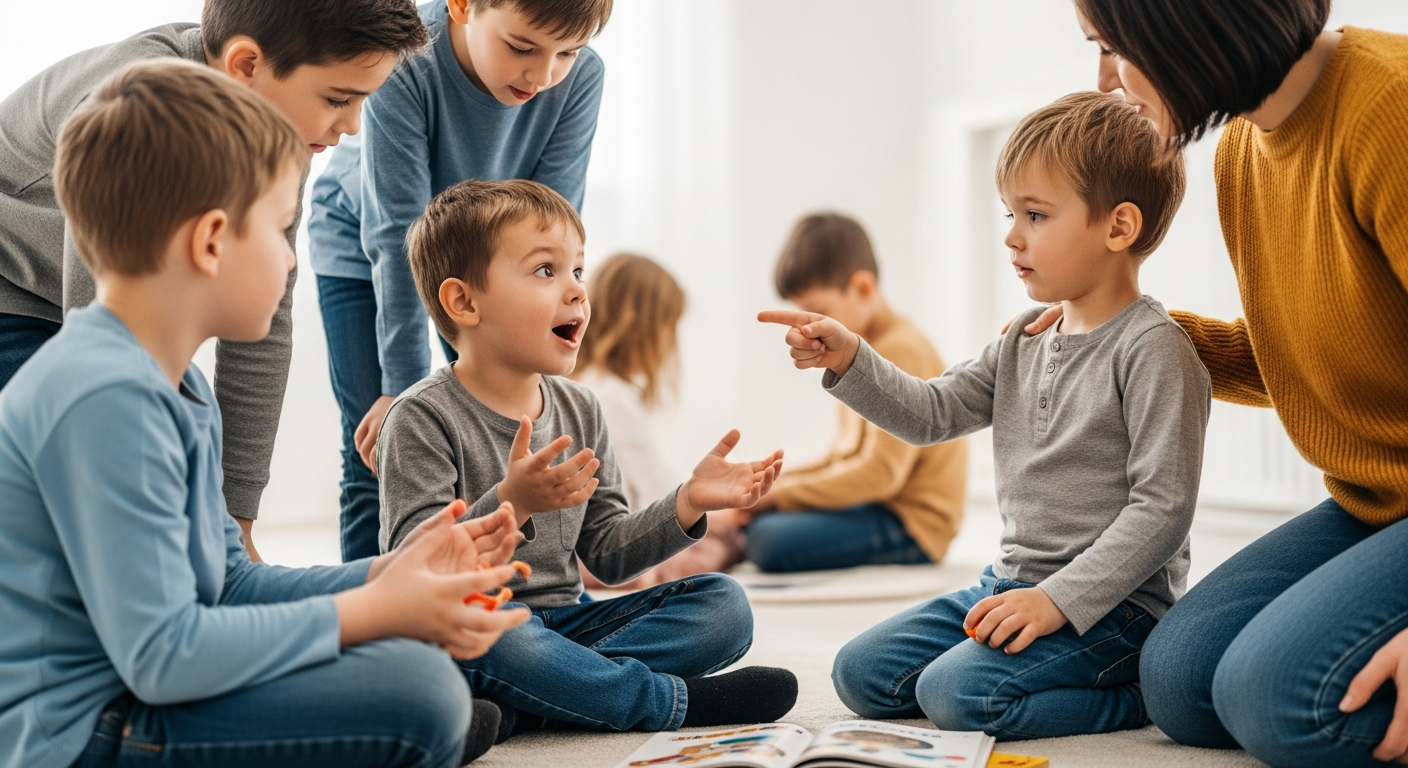
What if one of the greatest failures in the history of architecture is that we never truly included children in the design of cities?
For thousands of years, architects, planners, rulers, politicians, thinkers, power centers, and developers have shaped cities according to adult needs, values, priorities, and perceptions. Yet children have always been a significant part of society.
Open any book on the history of architecture or urban planning. You will find countless theories, movements, styles, and innovations. But where are the architectural concepts developed specifically for or from children's perspectives and needs? Where are the urban design principles based on how children experience, understand, imagine, and use the city?
The answer is uncomfortable: they are largely absent.
Children have been accommodated in cities, but they have rarely been considered equal participants in shaping them. Playgrounds and schools alone do not constitute a children's architecture. The children's right is the whole city.The result is a profound gap between the needs of children and the knowledge, policies, planning systems, and architectural practices that continue to shape our urban environments.
At Cities Architecture for Children, we believe the time has come for a new architectural thinking. A thinking that recognizes children as an essential group in society and a legitimate source of architectural knowledge.This is not a marginal issue. It is a fundamental question about whom cities are designed for.
If children represent the future of our societies, why are they almost invisible in the theories and practices that create our cities?
The time has come for us all to rethink architecture and the city. For thousands of years, children have been waiting.The time is for authorities to be involved actively in supporting, financing, and initiating the required process
It is time that all involved groups join the effort creatively from their position and collaborate.