Child City is a learning home
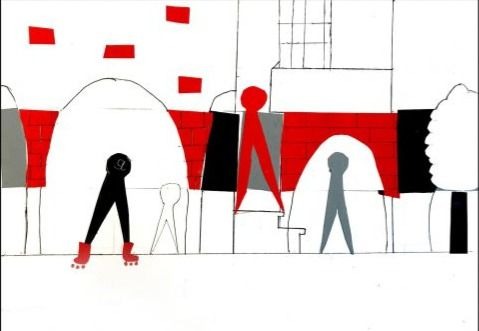
Child City is not only about realizing children’s comprehensive architectural needs in the city; but how it's total built up environment and using it actively facilitate learning for children.
Unlike adults, children are in a constant state of learning. They explore, test, imitate, and question their surroundings continuously, and learning for children cannot be separated from enjoyment.
Therefore, children’s architecture must be a smart architecture: one that successfully integrates functions, needs, and desires with learning and play. Learning should not be confined to schools or designated educational spaces, and fun should not be reduced to playgrounds. Instead, learning and fun must be embedded within everyday urban life, streets, squares, buildings, urban design, housing, tradition, sustainability, livability, transitions, and encounters.
Children represent a wide and diverse age range, from early childhood to adolescence (up to 17 years old). Across this spectrum, the nature of learning and fun changes significantly. What stimulates curiosity for a five year old differs fundamentally from what engages a teenager. Consequently, children’s architecture and the child city must be capable of adapting to changing cognitive, social, and emotional needs across age groups.
A child city, therefore, is not static. It is an evolving spatial system that supports different modes of learning, exploration, independence, and social interaction as children grow. Children’s architecture must acknowledge this transformation and design for continuity, allowing spaces to educate, inspire, and delight children at every stage of their development.