A Child-Centered City is a Safe City
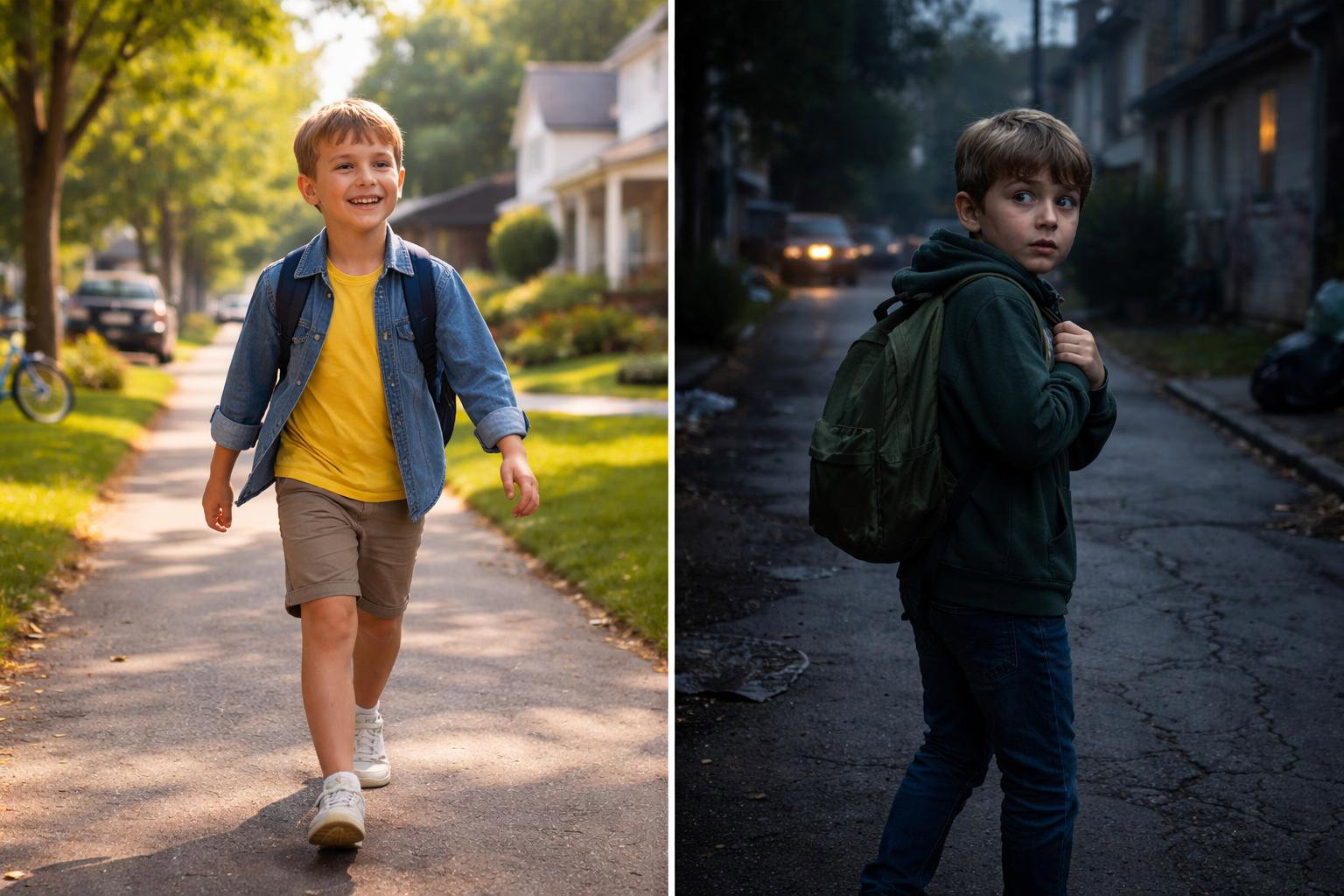
A city that is not safe for children is not a successful city.Children’s social, psychological, and developmental growth depends fundamentally on safety both real and perceived. Their homes, schools, playgrounds, neighborhoods, districts, and the city itself must form a continuous landscape of protection and trust.
Safety is not a luxury; it is a precondition for life. When children feel safe, they develop a sense of belonging, build relationships, explore their environment, and grow with confidence. When safety is absent, fear takes its place and fear silently shapes behavior, limits potential, and leaves long-term impacts on personality and well-being.
Designing for children, therefore, means designing against fear.This is one of the greatest challenges facing urban planners, architects, landscape architects, and interior designers today. Yet the challenge is not technical it is conceptual. We already have the tools. What we lack is a shift in thinking.
The solution lies in redefining the priorities of design: placing children at the center, not as passive users, but as primary citizens. A truly safe city emerges only when every layer of the built environment is conceived through the experience of a child.
To create safe cities, we must think differently, design differently, and ultimately, value differently.