A Child’s Learning Space Circle: From Bedroom to Classroom
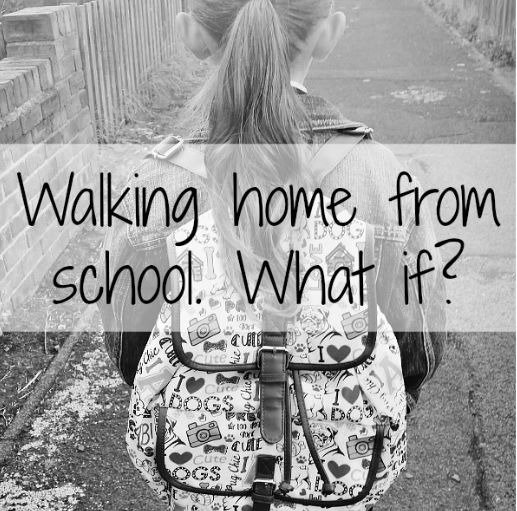
A large part of a child’s life happens within three simple spaces: the bedroom, the classroom, and the pathway between them.
From the first year of primary school to the end of high school, children move through these spaces almost every day for 12–13 years. In these places they sleep, study, walk, meet friends, experience joy, feel fear, discover society, and begin to understand the world around them.
These are not just physical spaces.They are life-shaping environments.
The bedroom supports privacy, imagination, and personal identity.The classroom structures learning, discipline, and social interaction.The pathway between them, streets, buses, sidewalks, and public spaces connects children to their community and to the wider society.
Almost every adult can still remember these places in detail:the fun moments, the boring hours, the friendships, the fears, the long walks, and the small discoveries.
Because children experience these spaces every day for more than a decade, their design matters more than we often realize.
Together, these environments form what we can call a “Children’s Circling Learning Space” the spatial system in which childhood unfolds.
If we want healthier, more confident, and socially integrated generations, we must start by asking a simple question:
Are we designing these everyday spaces with children integrity in mind ?