The City Is Not Only Adults’ Reality, and Kindergarten Is Not Only Children’s Reality
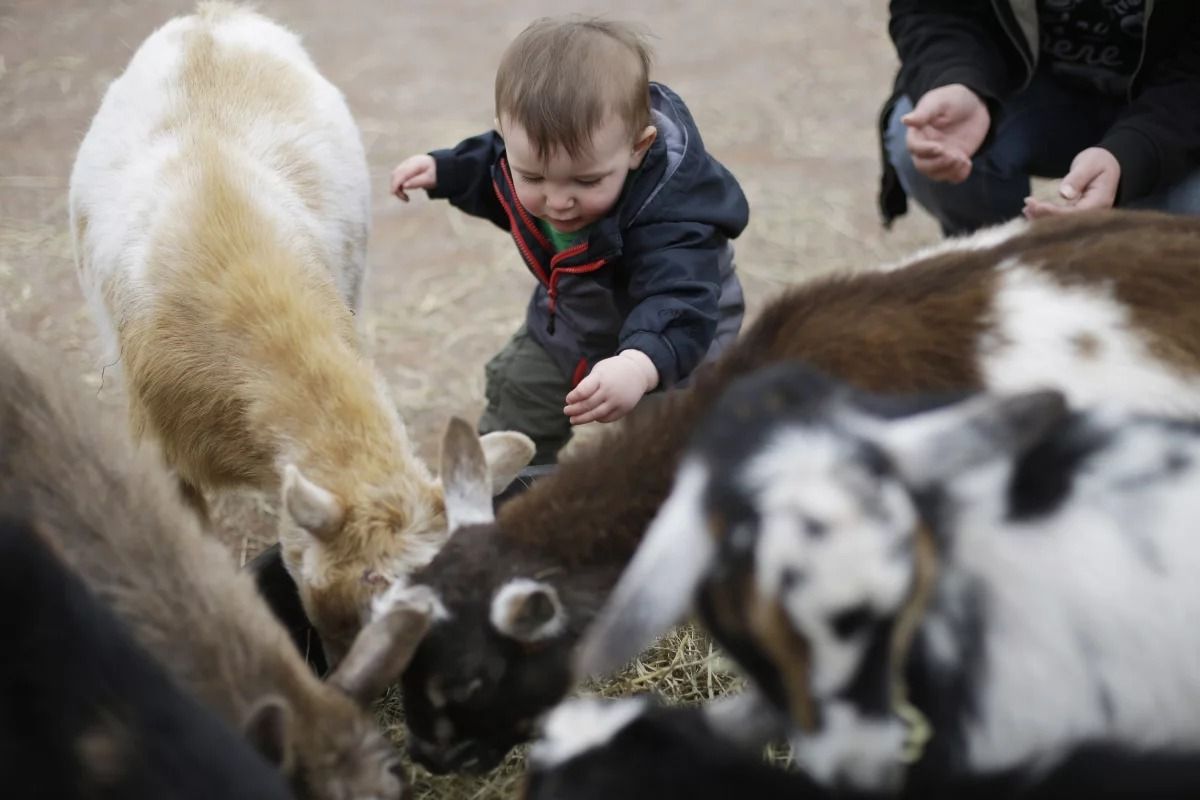
The “young goat” meaning is tied to the word kid in modern English, which comes from Old Norse, brought by Viking settlers from present-day Denmark and Norway to northern Britain in the 8th and 9th centuries.
By the time of William Shakespeare, the word kid was already being used interchangeably to refer to a young goat, a child (from Old English cild), or a young person.
Although kindergarten originates from German (Kinder meaning children and Garten meaning garden), the idea of children as “young goats in a garden of freedom” reveals how adults imagine childhood as a natural, playful, and protected state.
When adults design for themselves, they rely on lived experience: they know what they want and how their spaces should function.
When designing for children, however, adults often decide on their behalf, based on imagination, projection, and nostalgia rather than real childhood experience. Children’s architecture frequently becomes a “garden world”: soft, playful, simplified, and detached from the complexity of real life.
This is not because children are foolish or innocent, but because they inhabit different spatial and existential realities. Their perception of space, scale, and meaning differs fundamentally from that of adults. Yet instead of designing environments that help children gradually engage with real-world complexity, we isolate them in artificial childhood worlds.
When children leave kindergarten, they are suddenly introduced to the adult world, the so-called “real world,” without a spatial or psychological transition. This produces not schizophrenia in a medical sense, but a rupture: a split between the world designed for childhood and the world demanded by adulthood. Architecture thus participates in shaping a divided experience of reality rather than a continuous one.