Does This City Have Children?
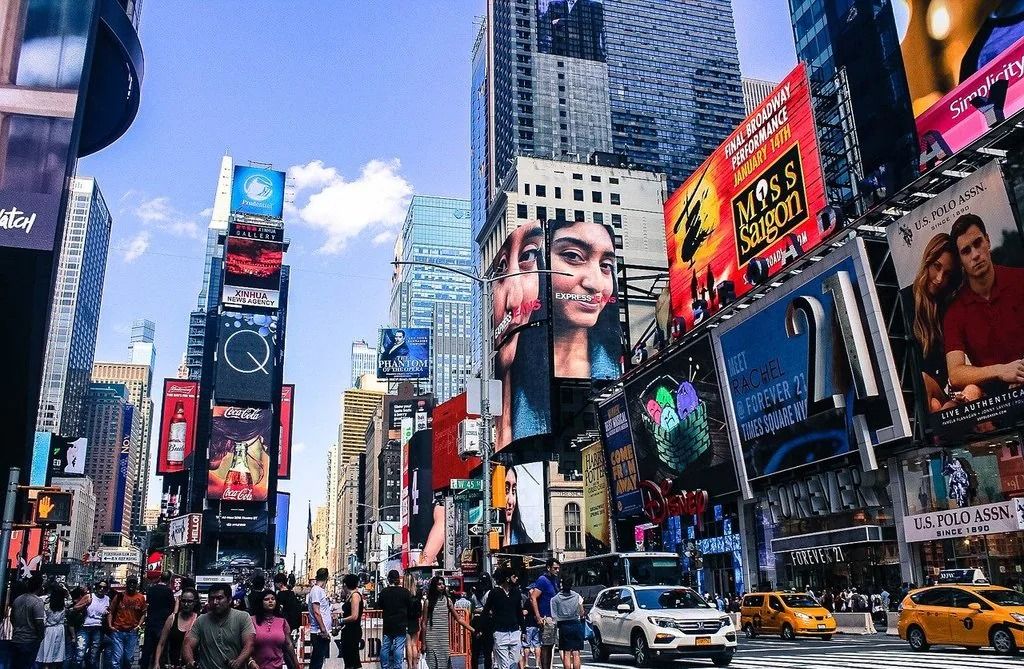
Walking along the central streets of almost any city can awaken a strange feeling, a quiet sense that something is missing. We move through our urban environments as if nothing is wrong, rarely pausing to question what we see. Yet if we truly open our eyes and take in the full image of a typical street, we may feel surprised, almost “caught in the act.” In Norwegian, we would say tatt på fersken.
The moment awareness arrives, a simple question rises to the surface:
Where are the children of this city? Does this city have children at all?
Building after building, tower after tower, street after street, sidewalks, shops, malls, and commercial centers, all seem to speak the same language. They talk, shine, attract, and even “sing” for adults.
The entire built environment reflects adult priorities: business, shopping, traffic, convenience, and image.
But nowhere in this repetitive urban rhythm do we hear children's voices.
Our cities present themselves as complete and successful. Yet they are designed almost exclusively around adults’ needs and perspectives. Children remain largely invisible, treated as a small minority with only minor architectural rights.
Their presence is acknowledged in playground corners and family zones, but rarely in the city's main structure.
This is the unnoticed truth we pass every day: Modern cities may grow rapidly and look impressive—but they rarely grow with children in mind.#Architecture, #Urbandesign, #Childrenarchitecture