Children's Architecture is based on children's own architectural principles
After nearly 7,000 years of building cities, why is Children’s Architecture still not an established part of architectural knowledge, education, and practice?
The cities we live in have largely been conceived, designed, and developed through adult perspectives and adult needs. Children have lived in these cities for thousands of years, yet their comprehensive architectural needs have rarely been treated as a fundamental dimension of city-making.
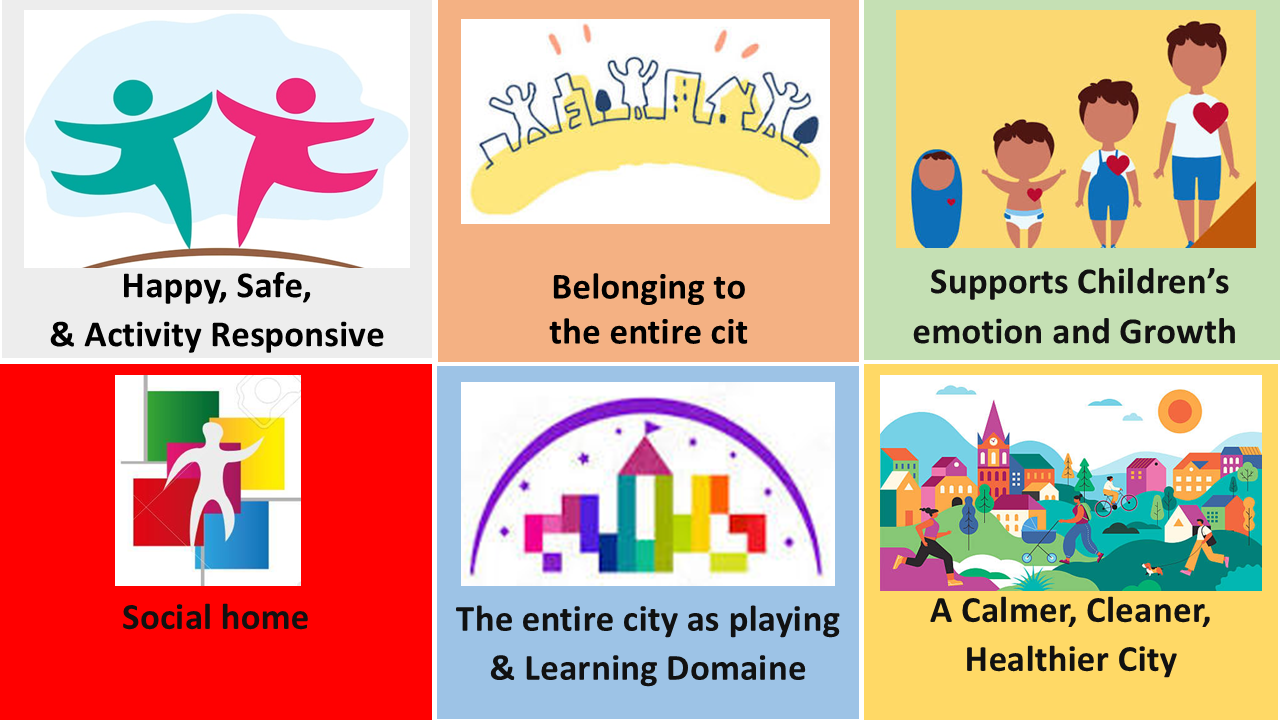
The slide I am sharing highlights one of the central arguments of my presentation:Children’s Architecture cannot simply follow the same thinking that produced adult-oriented architecture.
It needs its own principles. Principles that recognize children as genuine users of the entire city and address their needs for belonging, safety, play, fun, learning, accessibility, imagination, and growth.
These principles also make Children’s Architecture inherently interdisciplinary, connecting architecture and urban design with social science, psychology, education, kinesiology, and environmental studies.
Children’s Architecture is not about adding more playgrounds to existing cities.It is about rethinking the city itself from the perspective of children.
Realizing this fundamental change requires a collective, creative effort by Universities, Authorities, & firms to lead this transformation
