Children’s Architecture Is About Children—and Society’s Future
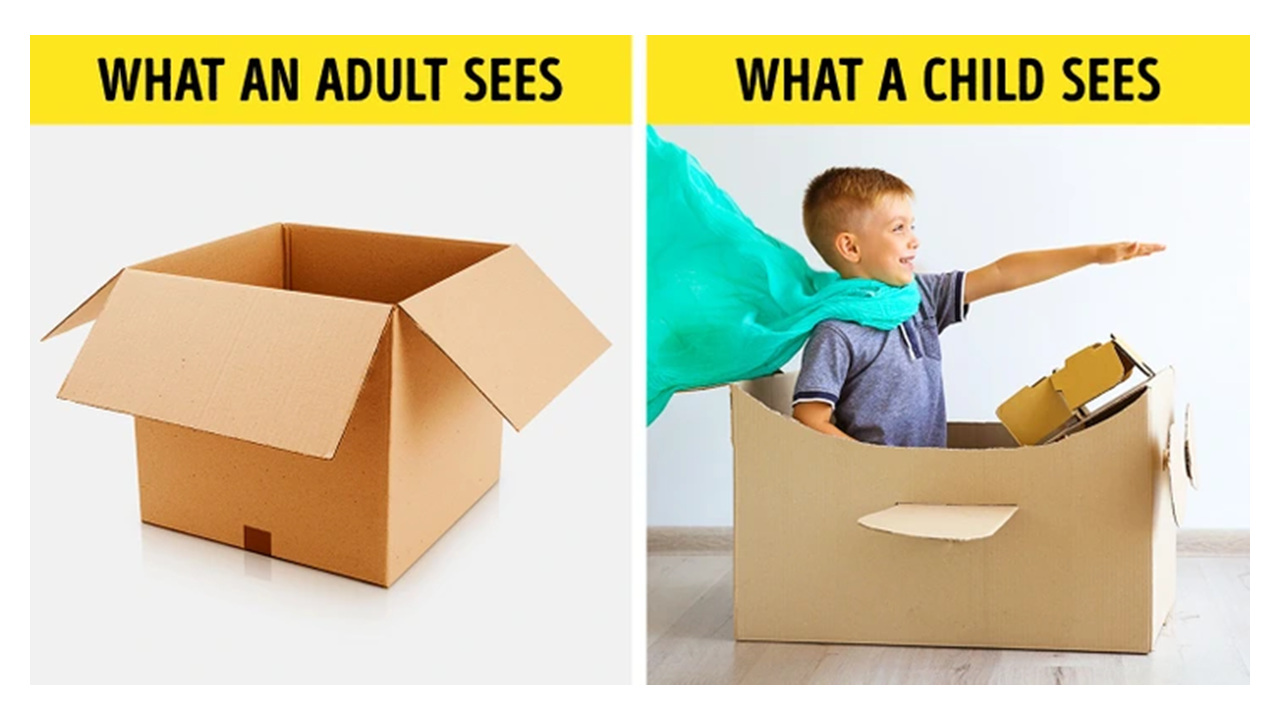
We cannot build cities for children by simply adapting adult-designed cities.
Children inhabit complex, diverse, and constantly changing worlds. If they experience and interact with the world differently from adults, why should we expect environments designed around adult perspectives to meet their needs?
Children have fundamental physical needs similar to those of adults, but their needs extend far beyond them. Their physical, emotional, social, and intellectual development shapes how they perceive, experience, and interact with the built environment. These needs also change as they grow. Children’s Architecture must therefore consider not only how children live today, but also the environments and opportunities they need to develop and thrive in the future.
Children do not simply live in cities. Cities help shape who they become.
Developmental psychology provides compelling evidence of how differently children experience their surroundings.
Researchers Hanako Yoshida and Linda B. Smith used head-mounted cameras to investigate toddlers’ first-person visual experiences during play. Their findings showed that toddlers’ visual experiences often focused on individual objects and the hands interacting with them, revealing a perspective different from an adult observer's. Read the study.
What does this mean for architecture?
If children experience the world differently from adults, why do we continue to design their environments primarily through adult perspectives? Why are their perspectives not there?
Architects and urban designers must move beyond adult perceptions and consider how children of different ages experience, explore, move through, interact with, and learn from their physical surroundings.
Children’s Architecture is not simply about adding child-friendly features to existing cities. It is about reconsidering the architecture of the entire city from homes and streets to public spaces, schools, and places for social interaction. If we want better cities and a better future for society, we must stop treating children as secondary users of urban environments.
Children must be recognized as equal users with their particular realities of the whole city.
Their comprehensive needs, experiences, and developmental potential must help shape the architecture of our cities, not merely reflect adults' view of the city.