Can architecture be based on "Adults Speak, Children Listen"?
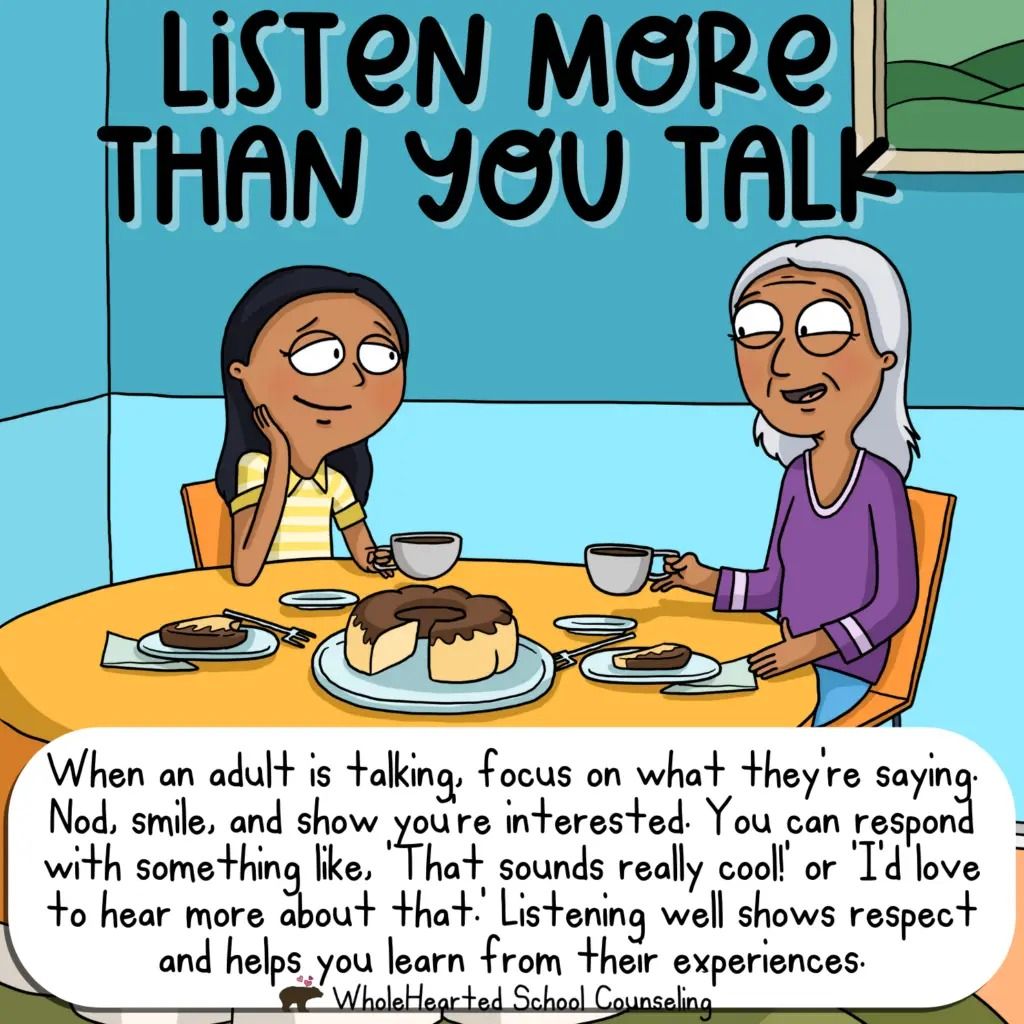
For thousands of years, cities have been built, governed, and controlled almost exclusively by adults. Children have been systematically excluded from decision-making processes and from the foundations of architectural and urban theory. Across cultures and civilizations, the same unspoken rule has prevailed: adults speak, children listen.
There is not a single architectural concept, urban theory, or planning doctrine that has genuinely emerged from children, learned from children, or meaningfully integrated their perspectives into the structure of cities. Children are absent not only from decision-making but from architectural language itself.
When this argument is raised, the predictable response quickly follows: “What about playgrounds? What about a child-friendly city?”
Yet both concepts merely reinforce the same hierarchy. They do not challenge it.
Playgrounds and so-called child-friendly initiatives are not architecture in a true sense; they are functional accommodations, spatial reservations that isolate childhood into controlled zones. Their justification is narrow and instrumental: play, learning, safety. These spaces do not grant children agency, authorship, or spatial belonging. They simply manage childhood within adult-defined limits.
This is not inclusion.
It is continuity.
It is the architectural reproduction of “adults talk, children listen.”
Children from the age of one to seventeen have no real role in architectural design, urban development strategies, transportation planning, or municipal visions. When children are mentioned, they appear only as objects of protection, not as subjects of space. Safety, livability, and playgrounds become substitutes for participation, imagination, and rights to the city.
Many countries have even established ministries dedicated to children. Yet a closer examination of their mandates reveals a striking absence: they do not address children’s relationship with architecture, urban form, or spatial authorship. Children are treated as a social issue, not as urban citizens.
This is not neutrality.
This is spatial exclusion.
Architecture and cities are not adult property. They are shared human constructs. Childhood is not a temporary condition outside urban life; it is a fundamental phase within it. A city that ignores children is not complete, it is structurally unfinished.
The principle must be rejected:
Architecture and the city need to delete “adults speak, children listen.”
Architecture and the city are for both.